
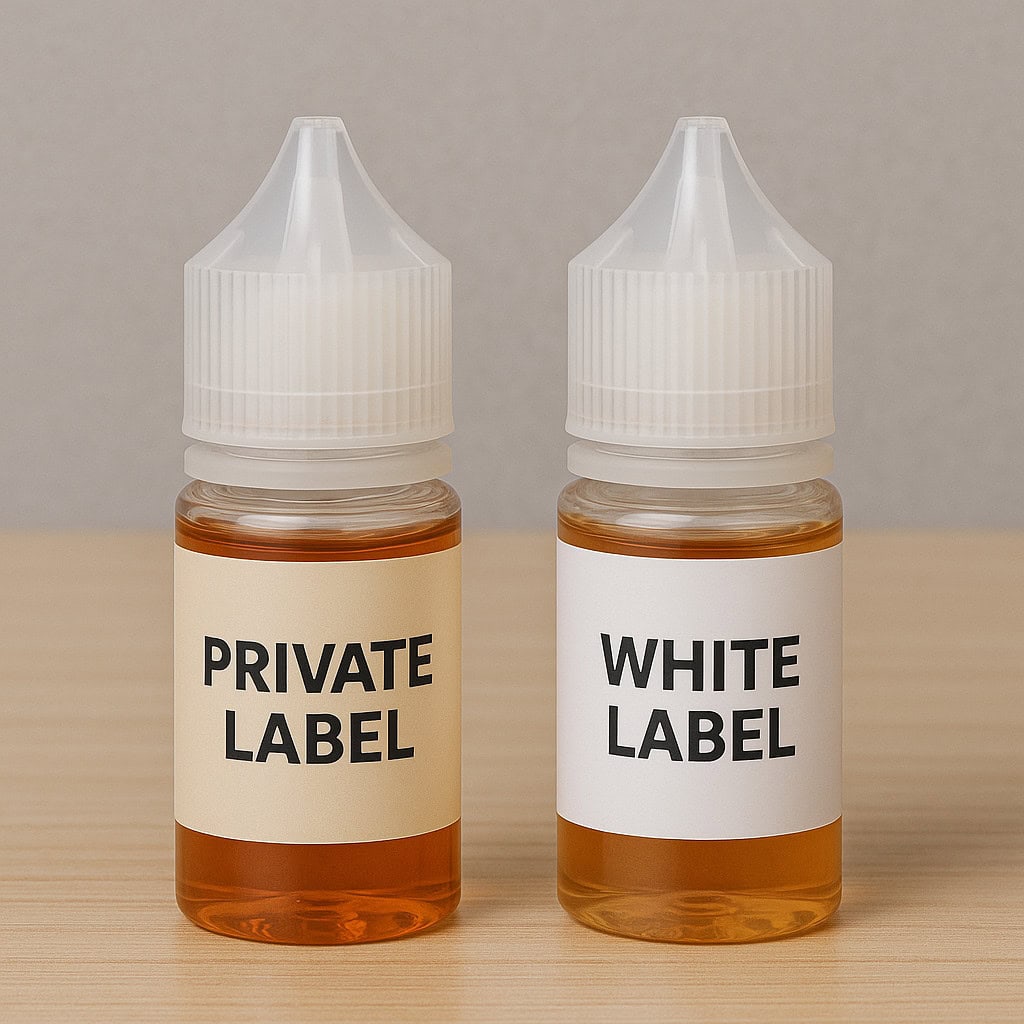
If you’re a vape brand or retailer looking to enter the expanding UK e-liquid market, you’ve probably come across the terms “private label” and “white label.” While they may appear similar at first glance, each model offers distinct advantages and potential drawbacks. Understanding the differences between them is essential for making the right choice that suits your long-term goals and brand vision. This in-depth guide will explain each option, outline the benefits and challenges, and help you navigate the best path for launching or growing your vape juice line.
Why It Matters
Choosing the right product strategy can have a major impact on your budget, speed to market, and long-term brand development. Whether you’re aiming for quick entry with minimal risk or seeking to establish a distinctive brand presence in the competitive vape sector, selecting the correct approach from the beginning is crucial.
What Is White Label Vape Juice?
Definition
White label vape juice refers to pre-made, unbranded e-liquid products that manufacturers sell to various retailers. These retailers then apply their own branding and packaging before offering the products to customers. While the core formula remains unchanged, the branding gives the illusion of exclusivity.
To explore ready-to-brand options, visit our dedicated page for white label vape juice.
Typical Use Cases
White label vape juice is commonly used by:
Entrepreneurs launching their first vape product
Vape shops expanding into house-branded lines
Online retailers looking to offer more choice quickly
Advantages
Quicker to market since the product is already manufactured
Lower initial costs with no need for research and development
Simplified logistics with ready-to-sell formulations
Limitations
Limited ability to stand out in a crowded market
Identical formulas may be sold by competitors under different labels
Less control over product quality or recipe adjustments
What Is Private Label Vape Juice?
Definition
Private label vape juice involves creating a completely custom product in collaboration with a manufacturer. Everything from the flavour profiles to the VG/PG ratios, nicotine strengths, and bottle design can be customised. The final product is unique to your brand and unavailable to others.
Typical Use Cases
Private label vape juice is ideal for:
Vape businesses with specific product visions
Retailers wanting exclusive blends
Entrepreneurs building a long-term brand presence
Advantages
Full ownership over the recipe, look, and feel
Stronger brand loyalty and differentiation
Ability to target niche flavours or consumer segments
Limitations
Higher costs due to formulation and testing
Longer time to develop and approve products
More involvement required in the creation process
Comparing Key Factors
Customisation
White Label: Branding and label design only. The liquid inside the bottle is the same across multiple sellers.
Private Label: Everything is up to you, from the formula and packaging to marketing and messaging. You can craft a product that aligns precisely with your audience’s preferences.
Time to Market
White Label: You can begin selling within days or weeks.
Private Label: Development may take several months due to testing, TPD notifications, and design refinement.
Investment Required
White Label: Generally affordable for startups with minimal financial risk.
Private Label: Larger initial investment is required for research, development, and regulatory compliance.
Competitive Advantage
White Label: You compete on price and branding alone.
Private Label: You compete on product uniqueness and quality, creating loyal customers and brand recognition.
Flexibility
White Label: Little room for product changes or improvements.
Private Label: High flexibility in adapting to trends, customer feedback, and new technologies.
Case Study: From Generic to Premium with Lisa’s Vape Brand
Lisa's vape business
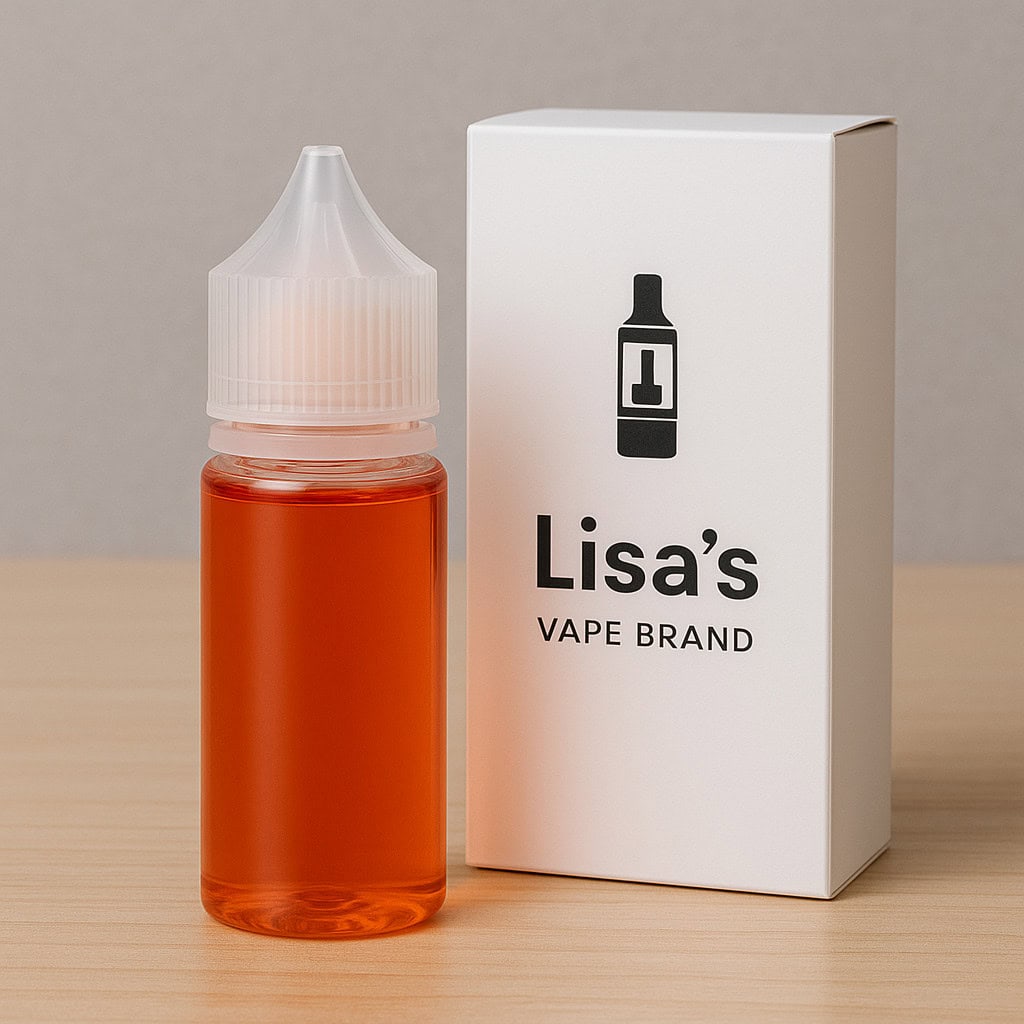
Lisa, a former smoker from Manchester, started her vape business with limited resources. Wanting to help others quit smoking while generating income, she chose to rebrand a white label e-liquid line. By selecting a top-selling fruit range and applying stylish packaging, she launched quickly and began selling locally and online.
Feedback from early customers helped her understand what vapers really wanted. After gaining traction and earning a steady customer base, Lisa reinvested her profits into creating her own private label range. She collaborated with a UK lab to develop tropical fruit fusions and unique cooling effects, reflecting her brand’s fun and health-conscious identity. The result was a distinctive, premium range that helped her stand out in a crowded market.
Strategic Insights for Vape Entrepreneurs
Scaling Your Brand
White label is excellent for testing demand or offering affordable vape options. Private label enables you to scale with a distinctive product range that customers recognise and return to.
Managing Risk
White label products allow you to test marketing, pricing, and sales channels without a significant upfront commitment. Private label comes with higher risk but potentially higher returns due to exclusivity.
White label products can help you quickly test demand and enter the market. See our white label vape range for options.
Long-Term Potential
If your plan involves long-term growth and customer loyalty, private label is usually the better choice. You can own and protect your formula and design, which adds equity to your brand over time.
Building Relationships
Private label often involves closer collaboration with your manufacturer, creating opportunities to innovate, improve quality, and respond faster to market trends. This close partnership also helps ensure product consistency and compliance.
What to Look for in a Manufacturer
Whether you go with white label or private label, partnering with a reliable, UK-based manufacturer is critical. Look for companies that offer:
TPD-compliant products with MHRA submissions
A portfolio of flavour options and customisation capabilities
Positive customer testimonials and references
Transparent pricing and minimum order quantities
Willingness to support your brand’s vision
UK Regulatory Requirements
TPD Compliance
In the UK, all vape juices containing nicotine must comply with the Tobacco Products Directive (TPD). Requirements include:
Bottles must be no larger than 10ml
Labels must list ingredients and nicotine concentration
Packaging must be childproof and tamper-evident
The product must be submitted to the MHRA for approval
Both private and white label products must meet these standards. Reputable manufacturers will handle the regulatory process and provide documentation for your records.
For more details, consult the official UK vaping regulations.
Frequently Asked Questions
Is private label vape juice more profitable than white label?
Yes. Private label vape juice allows you to set premium pricing because your product is unique. Loyal customers are often willing to pay more for exclusive flavours and higher perceived quality.
Can I create a private label vape juice without owning a lab?
Absolutely. Most UK-based vape manufacturers offer turnkey private label services. They handle the chemistry, safety assessments, and legal requirements while you focus on branding and distribution.
Can I transition from white label to private label over time?
Yes. Many successful vape brands start with white label to reduce risk. As they grow and learn about their customer base, they gradually invest in private label to elevate their brand.
Are all white label products the same?
Not quite. While the formulations may be identical, quality still varies by manufacturer. Always test samples and verify the production standards of your supplier.
What does it cost to launch a private label vape brand?
Costs vary, but you should budget for formulation, testing, packaging design, TPD notifications, and marketing. Some manufacturers offer starter packages for as little as a few thousand pounds.
Final Thoughts
The vape industry in the UK continues to thrive, with millions of adults choosing e-cigarettes as a less harmful alternative to smoking. As more consumers seek quality, flavour variety, and brand identity, the opportunity for vape entrepreneurs has never been greater.
Choosing between private label and white label vape juice is a pivotal decision. If you need speed, flexibility, and minimal financial risk, white label might be the perfect starting point. However, if your goal is to build a lasting, recognisable brand with exclusive flavours and deeper customer loyalty, private label offers the tools and flexibility to help you succeed.
Either way, the most important factor is ensuring product quality and compliance through a trusted UK manufacturer. With the right partner and a clear strategy, you can position your brand for long-term success in the ever-evolving vape market.
Continue Your Journey with Viking eCigs
Thinking of launching your own vape brand? Our white label vape juice solutions offer a fast, affordable way to get started.